

Software Testing

Ensuring your software works flawlessly across languages and markets is critical. At ESSJEE Multilingual Solutions, our Software Testing Services combine linguistic, functional, and technical verification to ensure your localized products are reliable, user-friendly, and market ready.

Why Software Testing Matters

Launching a multilingual or localized software without thorough testing can lead to errors that damage your brand reputation or user trust. Issues like untranslated strings, misplaced UI elements, date/currency format glitches, or features failing in target locales frustrate users. With strong software testing, you catch these before release, ensuring smooth functionality, consistent UX, and full compliance with local norms and laws.

🧪
💻
🌍
Software testing for localized products

Our Software Testing Expertise

ESSJEE combines functional, linguistic, internationalization and UX-focused testing to ensure your localized software behaves correctly, looks polished and feels truly native in every market.

Key Types of Software Testing

Here are the core testing types we specialize in. Each focuses on a different dimension of quality, from feature behaviour to language, culture and compliance.

Functional
⚙️

Functional Testing

We verify that every feature behaves as expected in each localized version of your application.

  • Test forms, buttons, navigation, workflows, validations and error handling.
  • Check locale-specific behaviour: date pickers, number and currency formats, input methods and special characters.
Linguistic
🈺

Linguistic Testing

Native linguists validate that your UI text feels natural, accurate and on-brand in context.

  • Review translation accuracy, tone, grammar, punctuation and terminology consistency.
  • Check that text fits in buttons, menus and dialogs without truncation or layout breaks.
i18n
🌐

Internationalization (i18n) Testing

We check whether your software is architected to support localization efficiently.

  • Validate Unicode support, text direction (LTR/RTL), externalized resources and modular strings.
  • Confirm locale-based formatting for dates, numbers, currencies and dynamic layouts.
UI / Visual
🖥️

UI / Cosmetic / Visual Testing

We ensure your interface looks polished and consistent across languages and layouts.

  • Check overlapping text, cut-offs, alignment, spacing and font legibility.
  • Verify that icons, images and RTL layouts align with design expectations and local norms.
Cultural & compliance
⚖️

Cultural & Compliance Testing

We help you avoid cultural missteps and regulatory issues in each target market.

  • Review imagery, symbols, colours and idioms for cultural sensitivity.
  • Check alignment with local regulations (e.g. privacy, financial disclaimers, age ratings) as required.
Regression & compatibility
🔁

Regression & Compatibility Testing

We protect existing functionality while you add new features or languages.

  • Run regression tests after updates to confirm nothing is broken in localized builds.
  • Check compatibility across devices, OS versions, browsers and region-specific hardware.

Our Testing Process

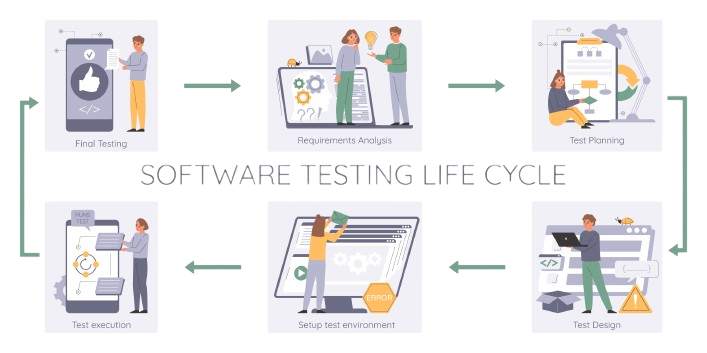
A clear, repeatable process keeps your releases predictable. We tailor the depth of testing by locale, platform and risk profile while following this core flow.

1

Requirement & Locale Audit

Discovery

We align on what needs to be tested, where and why.

  • Understand target locales, languages, platforms and release goals.
  • Review UX expectations and any legal or regulatory constraints.
2

Planning & Test Strategy

Planning

We design a test approach that fits your product and timelines.

  • Decide which test types apply per locale and platform.
  • Define test environments, tools and coverage levels.
3

Test Case Design

Design

Clear, realistic scenarios ensure we test what users actually do.

  • Create cases for functional flows, language checks, UI visuals and error conditions.
  • Include screenshots or UI references for consistent execution.
4

Execution

Testing

Tests are executed on real devices and representative environments.

  • Run functional, linguistic, visual and compatibility tests in target locales.
  • Use real devices/emulators that match your user base.
5

Issue Logging & Fix Support

Defects

All issues are captured clearly so they can be fixed quickly.

  • Log defects with clear steps, screenshots and locale information.
  • Prioritize by severity and collaborate with development teams on fixes.
6

Regression & Final QA

Sign-off

We confirm fixes, retest high-risk areas and prepare for release.

  • Run regression passes after fixes to ensure stability.
  • Perform final QA and support stakeholder sign-off for go-live.

Key Types of Software Testing

Here are the main testing types we specialize in, each covering a unique dimension of quality:

Functional Testing

We verify that all features of your application behave as expected in each target locale. This includes forms, buttons, navigation links, workflows, validations, and error handling. We also test locale-specific behavior: date pickers, number formats, currencies, input method support (e.g. special characters), etc. Functional Testing ensures the user can interact with your software without encountering workflow or logic issues after localization.

UI / Cosmetic / Visual Testing

Here we verify that the user interface looks polished in every language: that text doesn’t overlap or cut off; UI elements align; fonts are legible; icons and images are culturally appropriate; RTL layouts render correctly; and design aesthetics are maintained. This prevents visual glitches that distract users or degrade perception of quality.

Linguistic Testing

This focuses on language correctness and naturalness. Native linguists check for accurate translation, appropriate tone, grammar, punctuation, consistency of terminology, and cultural relevance. Part of this is verifying that translated UI text fits within buttons, dialog boxes, or menus without overflow, truncation, or layout break. It ensures that the language “feels right” in context, not just in isolation.

Cultural & Compliance Testing

Localization isn’t just about language. We also test for cultural sensitivity (images, symbols, colour meanings, idioms) and legal/regulatory compliance. This can include local privacy laws (like GDPR), content restrictions, age ratings, financial regulation, or country-specific legal disclaimers. Ensuring compliance helps avoid legal risks and negative user reaction.

Internationalization (i18n) Testing

Our i18n tests review whether your software is built in a way that supports localization easily without code changes. Key check points: support for Unicode character sets; correct text direction (LTR/RTL); modularization of strings; externalization of resources; ability to handle locale-based formatting for numbers, dates, currencies; dynamic layout adjustments. If i18n is done right, future localization becomes faster, cheaper, and less error-prone.

Regression & Compatibility Testing

As you update features or add localization for new languages, regression tests ensure that existing functionalities still work as before. Compatibility tests check that your software behaves correctly across devices, operating systems, screen sizes, browser versions or hardware specific to target regions.

Our Testing Process

  1. Requirement & Locale Audit – We begin by understanding the locales you’re targeting, languages, platforms, UX requirements, and regulatory constraints.
  2. Planning & Test Strategy – Define which testing types are needed per locale and platform; set test cases, environments, tools.
  3. Test case design – Include functional flows, UI snapshots, translation checks, error messages, etc.
  4. Execution – Perform tests in real devices/emulators; do linguistic, functional, visual, compatibility tests.
  5. Issue logging & Fixes – Report defects, categorize by severity; work with development teams to fix.
  6. Regression & Final QA – After fixes, re-test; perform final sign-off with stakeholders.

Why ESSJEE for Software Testing

  • ISO 9001:2015 certified test processes for consistent quality.
  • Native linguistic testers with domain expertise.
  • Dedicated QA engineers who understand localization, i18n, and cross-platform compatibility.
  • Secure handling of your source code and test data.
  • Transparent communication and reporting; clear visibility of issues and status.